
Sideyard Path Renovation — Coquitlam
Project Overview
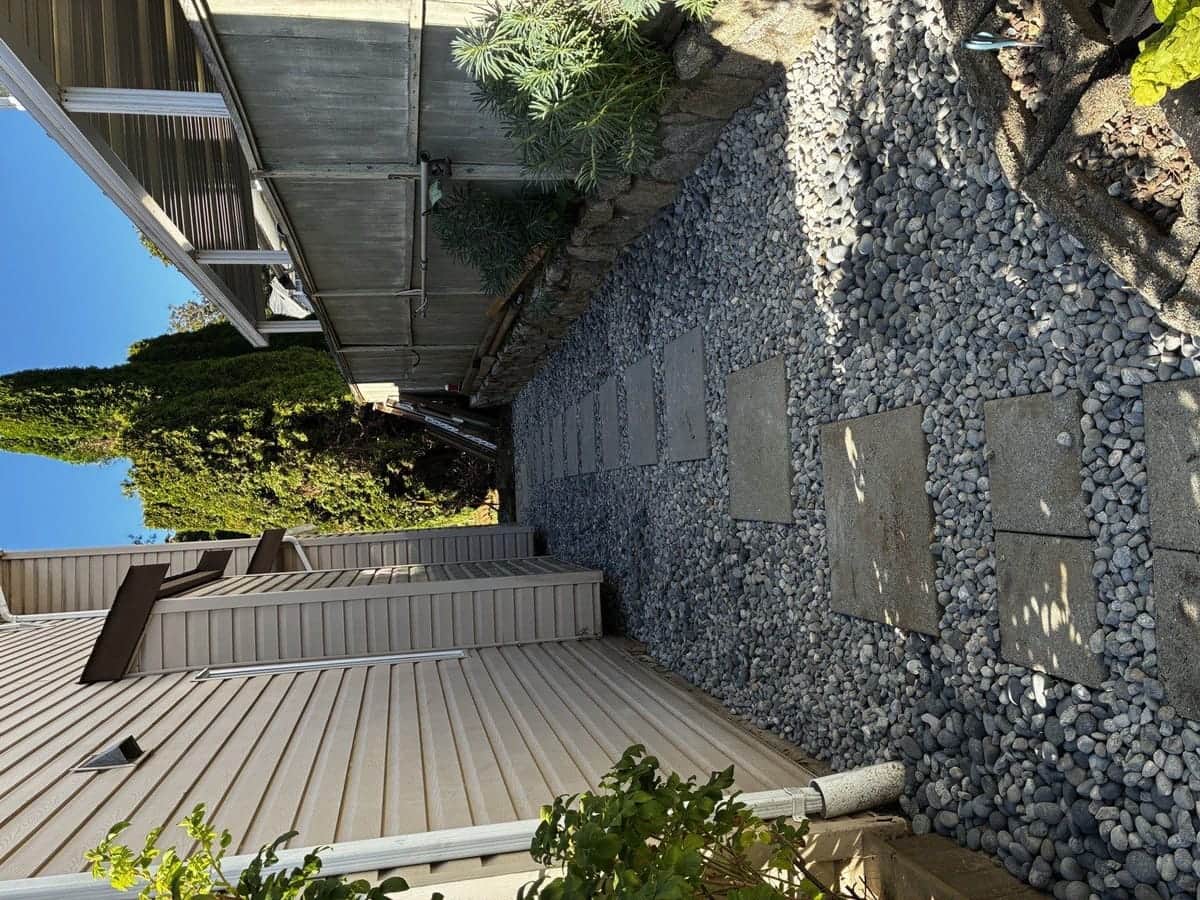
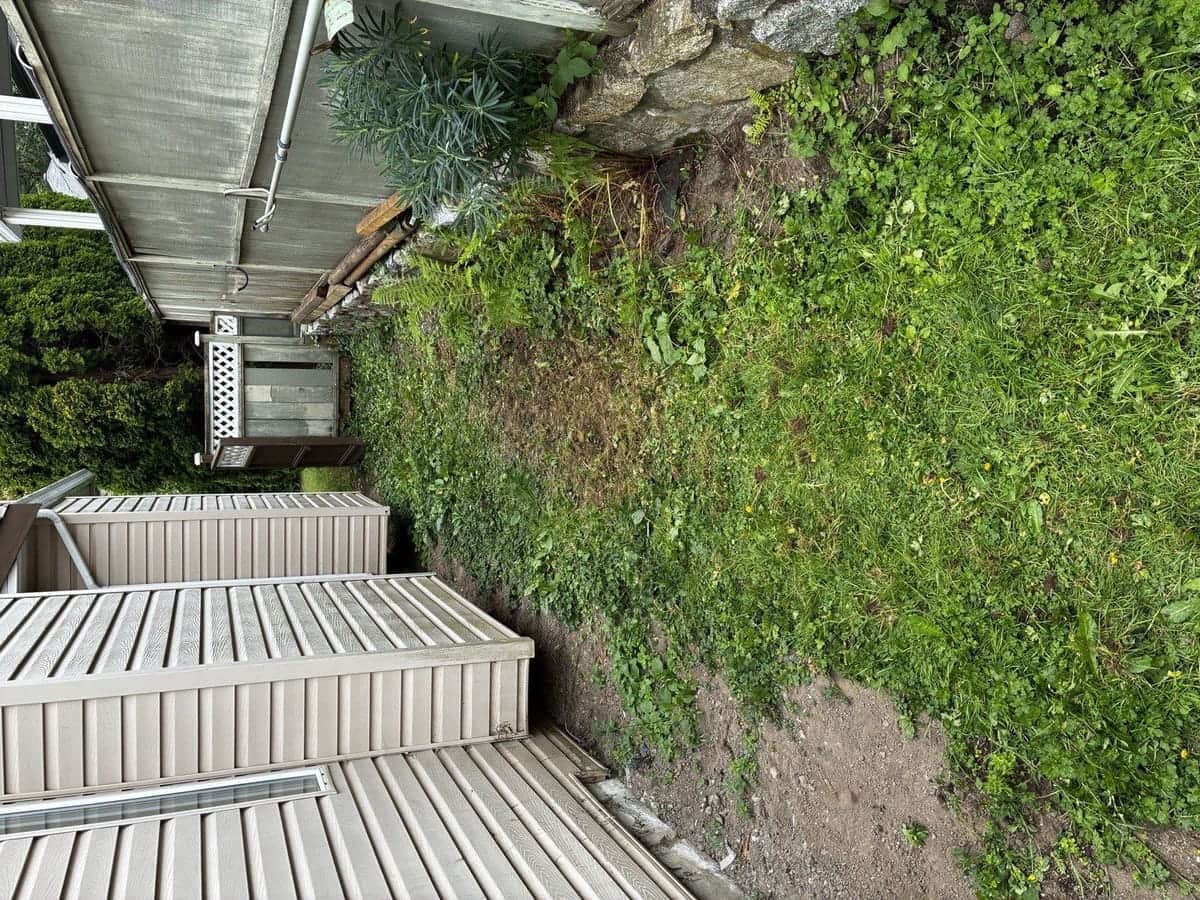
The sideyard of this Burke Mountain home in Coquitlam had become a dumping ground — overgrown shrubs, exposed soil, and a muddy path that turned into a creek every time it rained. The homeowner used this corridor daily to access the backyard and garbage bins, but it was an ankle-twisting obstacle course. They wanted a clean, permanent path with proper drainage, a retaining wall to hold back the higher grade on the neighbor's side, and something that looked intentional rather than neglected.
The Challenge
The sideyard was only 6 feet wide with the neighbor's fence on one side and the house foundation on the other. That tight working space meant no equipment wider than a wheelbarrow could get in. The grade difference between the neighbor's lot and this sideyard was about 14 inches — without a retaining wall, soil kept washing down onto the path. Drainage had to be managed carefully to avoid directing water toward the foundation. The existing soil was mostly clay with embedded root systems from the removed shrubs.
Our Solution
We hand-excavated the entire sideyard to a depth of 8 inches, removed root balls, and installed a French drain along the length of the path connected to a catch basin at the low end. We built a 14-inch retaining wall using Allan Block units along the neighbor's side with geotextile fabric and drain rock behind it. The path surface is composite decking boards on a pressure-treated sleeper frame — elevated 2 inches above grade so water passes underneath rather than pooling on the surface. River rock fills the border between the wall and the deck edge.
Materials Used
- ✓Allan Block retaining wall units
- ✓Geotextile fabric
- ✓Clear crush drain rock
- ✓Perforated drain tile
- ✓Composite decking boards
- ✓Pressure-treated sleeper frame
- ✓River rock border fill
Timeline: 5 days
Before & After
The Result
What was a muddy, overgrown corridor is now a clean walkway that stays dry year-round. The retaining wall holds the grade permanently, and the composite surface requires zero maintenance. The homeowner said it changed how they use the entire property — they actually walk to the backyard now instead of going through the house.